Local Insights: Navigating Home Improvement Regulations in Yellowstone County
When embarking on a home improvement project in Yellowstone County, understanding the local regulations is crucial. Whether you're planning a small renovation or a major construction, compliance with these rules ensures a smoother process and avoids potential legal issues. In this blog post, we'll guide you through the key aspects of navigating home improvement regulations in the area.
Understanding Permits and Approvals
Before starting any project, it's important to determine if you need a permit. In Yellowstone County, permits are often required for structural changes, electrical work, plumbing, and more. The first step is to contact the local building department to inquire about the specific requirements for your project. This will help you avoid unnecessary delays and fines.
Permits not only ensure safety standards but also protect your investment by verifying that improvements are up to code. When applying for a permit, be prepared to submit detailed plans and specifications. The approval process can take time, so planning ahead is essential.

Adhering to Zoning Laws
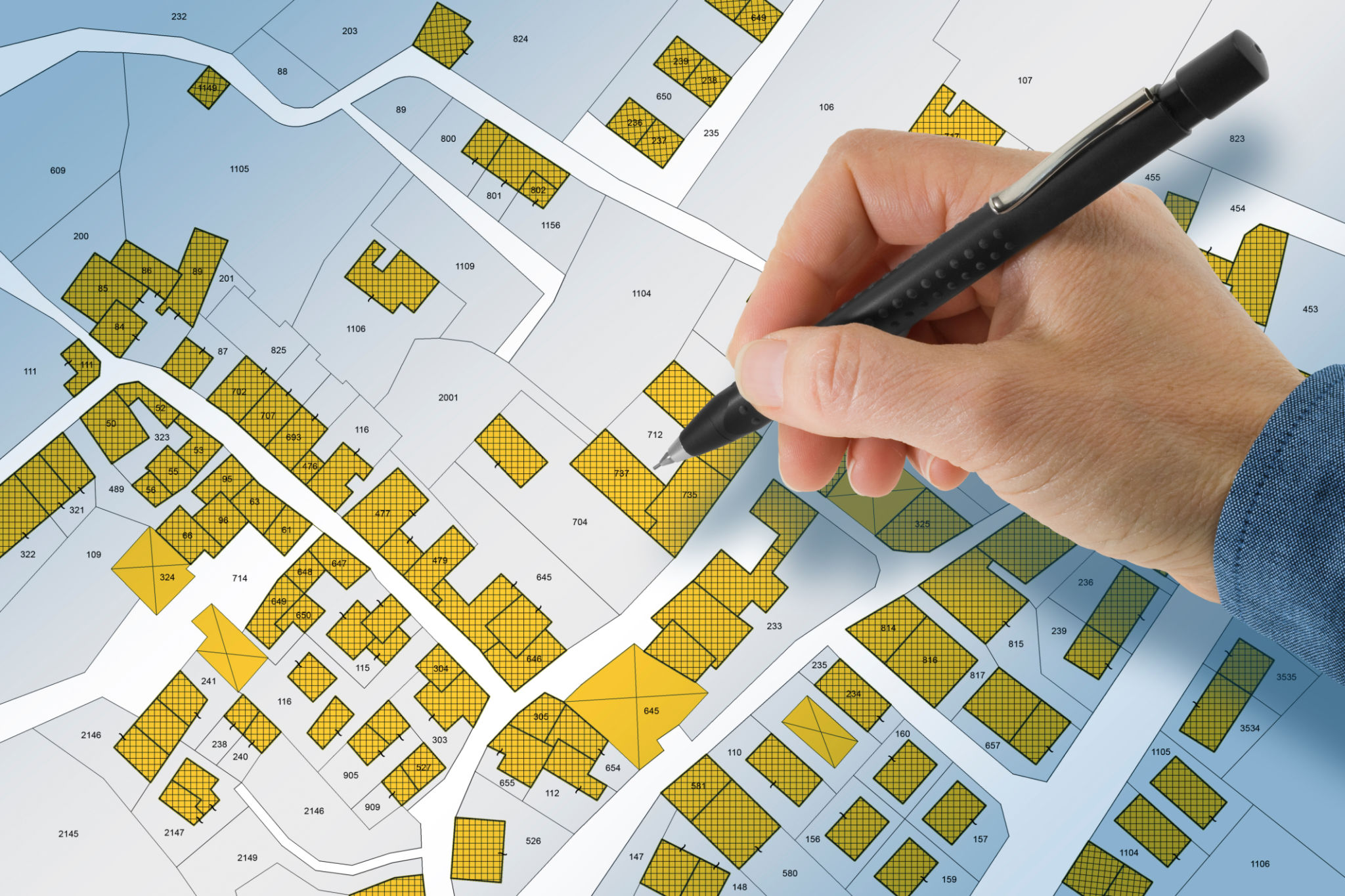
Zoning laws are another critical aspect of home improvement regulations. These laws dictate how land can be used in different parts of the county. For instance, residential zones have specific regulations about building heights, lot coverage, and setback requirements. Understanding these zoning laws will help you plan your project within the legal boundaries.
If your project involves changing the use of a property or expanding its footprint, you may need to apply for a zoning variance. This process involves public hearings and can be complex, so consulting with a professional familiar with local zoning regulations is advisable.
Environmental Considerations
Yellowstone County has a strong commitment to preserving its natural environment. If your project affects local ecosystems, such as waterways or wildlife habitats, you'll need to take additional precautions. Environmental assessments may be required, and in some cases, special permits must be obtained.
Working with an environmental consultant can help you navigate these requirements and ensure your project complies with local and state environmental laws. This step is crucial for avoiding potential fines and ensuring the sustainability of your improvements.

Working with Contractors
Hiring licensed and insured contractors is critical in Yellowstone County. Not only does it ensure quality workmanship, but it also protects you from liabilities. Before hiring, verify the contractor's credentials and check references. Contracts should be detailed, outlining the scope of work, timelines, and payment schedules.
Having a clear and comprehensive contract can prevent disputes and misunderstandings. Make sure to communicate openly with your contractors and schedule regular check-ins to monitor progress and address any issues promptly.
Final Inspections and Compliance
Once your project is complete, a final inspection is usually required. This ensures that all work meets the county's building codes and regulations. Passing the inspection is necessary for closing out your permit and officially completing your project.
To prepare for the final inspection, review all work with your contractor to ensure everything is up to standard. Address any discrepancies before the official inspection to avoid delays in the approval process.

By understanding and following the home improvement regulations in Yellowstone County, you can ensure a successful and compliant renovation project. Taking the time to research and plan will not only save you time and money but also provide peace of mind as you improve your home.